
They say anger is only one step in the stages of grief. This doesn’t explain why I have been enraged all my life, stuck in the one phase, unable to move.
I have written before that everything is always leaving, that entropy may be a form of acceptance, that mourning always ends in something new. Yet I feel myself returning over and over to rage, like an itch I can’t scratch. I walk around with an undertone of righteous anger in the face of constant violence, somehow triggering other people’s moral code. Even when I am calm, the rage is a couple layers underneath, bubbling.
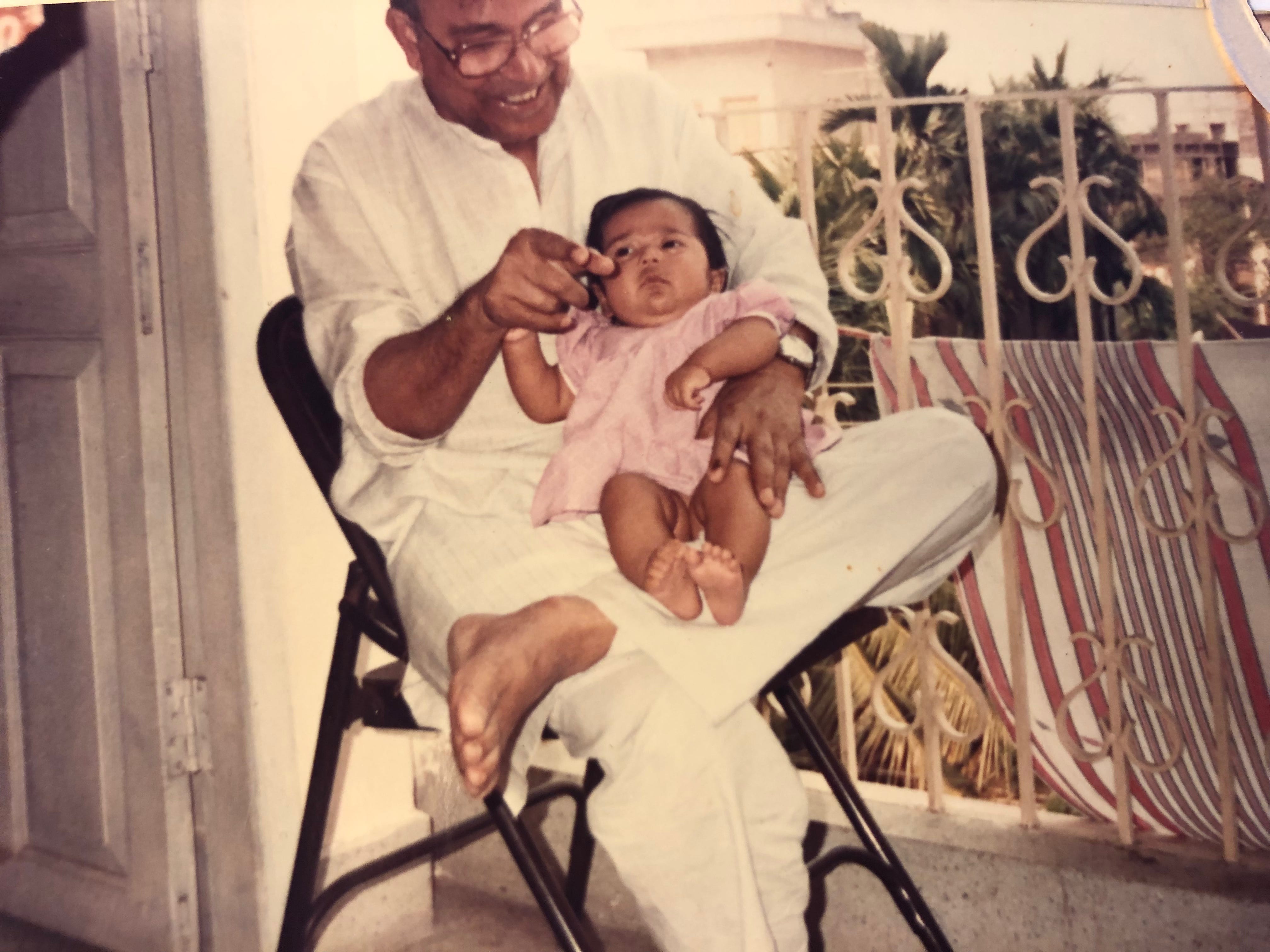
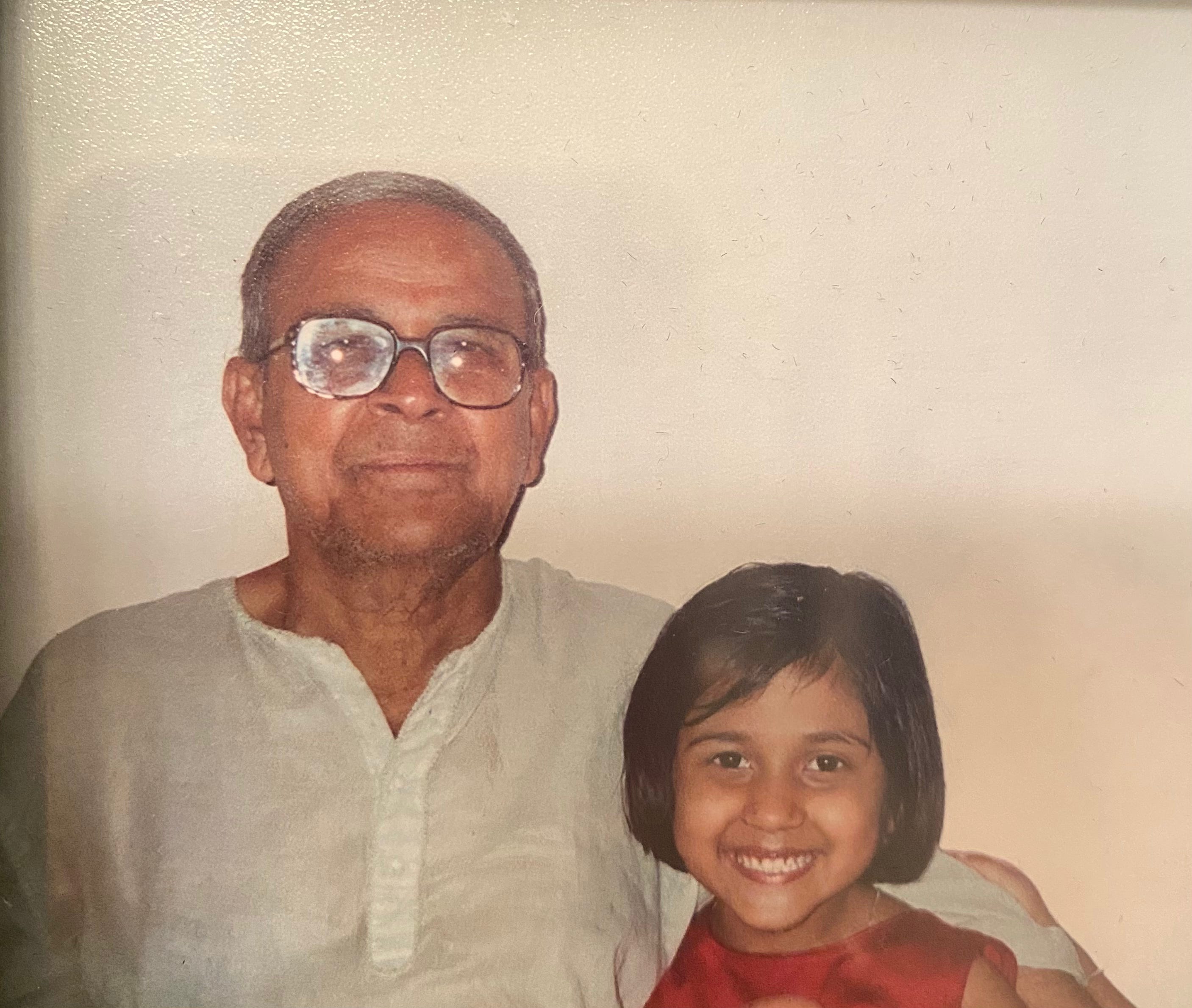
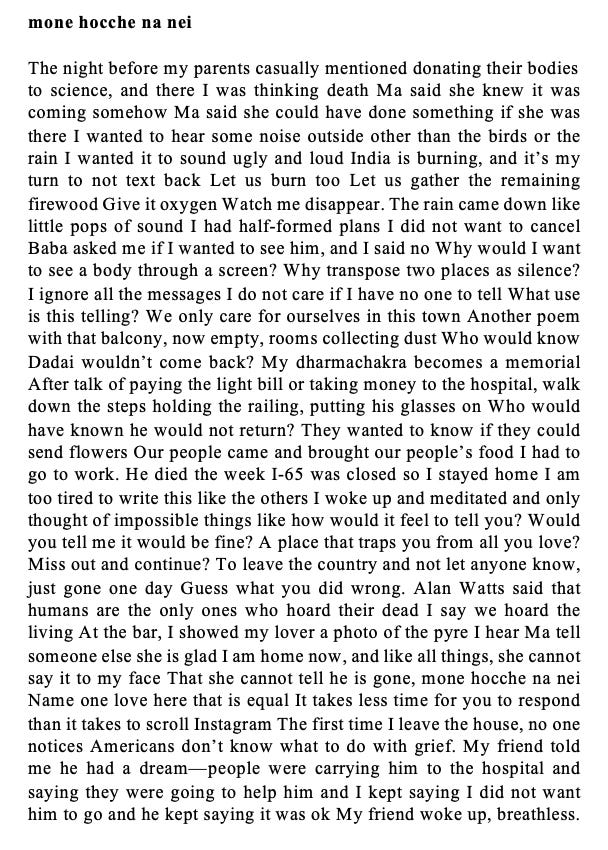
This is a draft of a poem I wrote in 2021 about losing my grandfather, all while being on the other side of the world. This is one of many losses I have experienced at a distance, and the third poem in a series about these very losses. It’s about what it means to grieve in absence, disassociated, surrounded by a completely different reality. It’s about the lie of pretending like life isn’t fragile, not promised, laughing in our faces. It is about the necessity of moving on.
I was ripped from most everyone that ever loved me at the age of six when my parents and I came to the United States. From then on, I have struggled with object permanence. Absence does not make my heart grow fonder. Absence makes me forget. I lose interest, I cope, and I convince myself that I can only accept what’s in front of my face. But underneath it all, I am pissed.
Mone hocche na nei in Bengali means it doesn’t feel like they’re not there. Far away, it doesn’t feel like loss. It feels too conceptual, not grounded. How can I grieve if I wasn’t around him in the first place?
My grandfather died in Kolkata while the pandemic raged on. People I knew in Nashville did not reach out to make sure I was alright. I asked my friend for a tattoo of the wheel of life mere moments before I heard the news, almost like a prophecy. I said goodbye to a man who panicked because he liked me too much to accept we were both moving away. He didn’t even acknowledge what I had just lost and how it was bigger than us. I casually brought this up to my other lover at the bar. My story inspired another person’s dream, and I wished it could be that easy. I was so angry, too angry to even mourn it all.
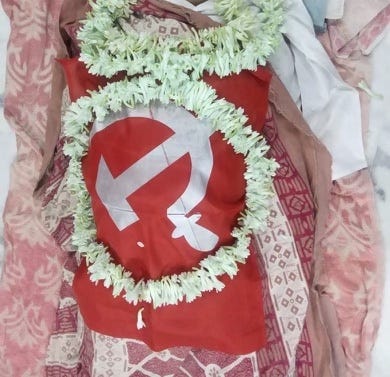
This poem is about the politics of grief, of disappointment and betrayal, of colonialism and the inability to connect to my ancestors. I could not go watch him be carried to the pyre, covered in the CPM flag. Even as I write this, I find that I am struggling to intellectualise the deep sadness and rage I am feeling now four years later. This is unusual for me: all I ever do is intellectualise to try to understand. This is the first time I feel like I am just writing as it is, nothing stylised, nothing researched, just mundane and transparent. I don’t know if this means I have moved on, or if it means I am slowly starting to let the rage go. I don’t know if this means I should let the rage go to be replaced by apathy or if my life’s work is truly about holding onto that rage. Never becoming complacent. Always honouring the fights of those that came before.
It is our hope here in Safe Word! and A Place to Scream that it isn’t just the authors or performers on these platforms that get to engage in these questions and conversations- if you have thoughts, feelings, or posturings of your own this is the place to engage !
Leave a comment, send us a DM, and become a free subscriber to get every post sent straight to ya !
One of the traits I greatly admire about Lagnajita - I've been a fan of her work for years - she is so skillful at piercing through to universal feelings through use of personal experiences. She hasn't met my uncle and I never met her grandfather but in their shared absence we somehow grapple with the same pains, the same questions. And maybe we will always have the same gaps in knowledge. This to me seems a sign of true artistic authenticity. Thank you for this piece.